
A natural hazard is a perceived event that threatens both life and property.
Natural hazards often result in disasters that cause loss of life (and injuries), damage to the built environment, and severe disruption to human activities.
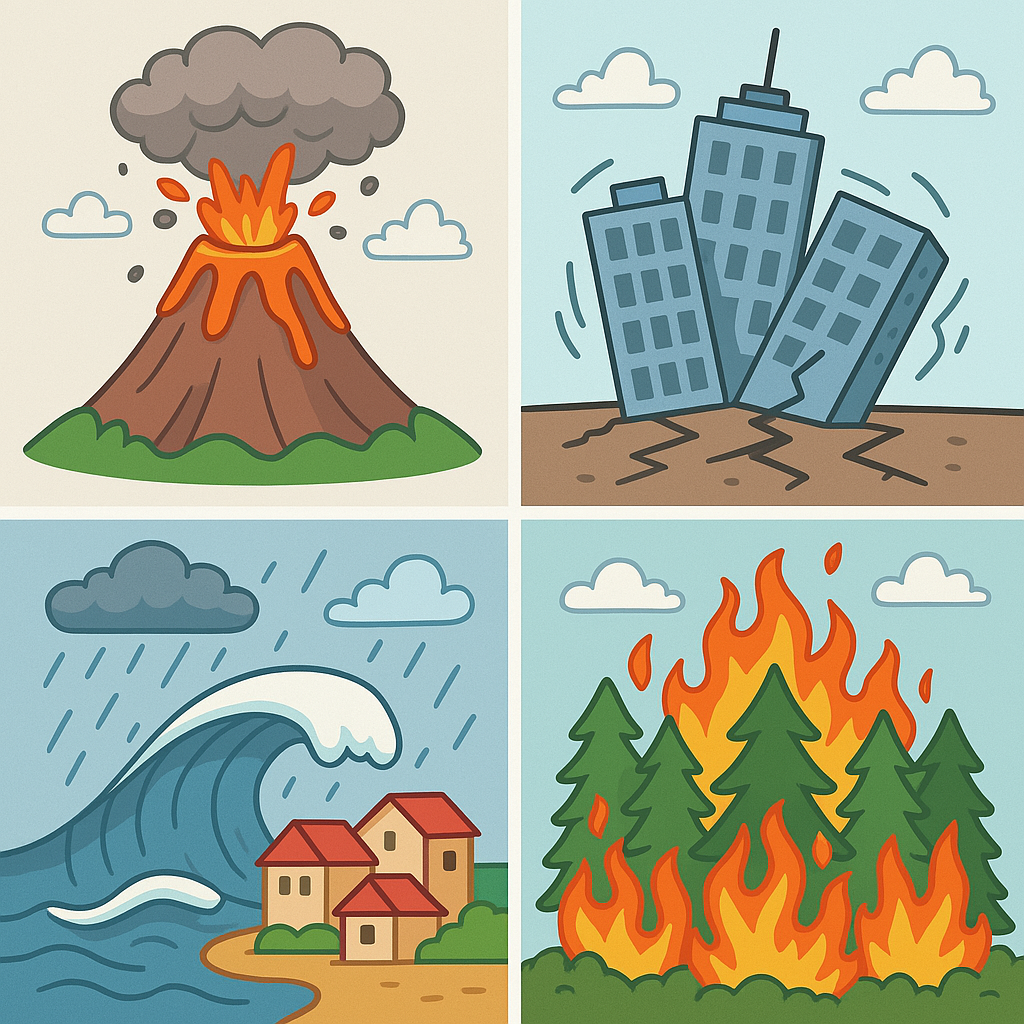
Natural hazards, and their effects on people, tend to have the following characteristics:
- They have clear origins and produce distinctive effects (like an earthquake causing buildings to collapse).
- There is only a short warning (if any) before the event.
- In poorer countries, people usually don’t have a choice about exposing themselves to the risks.
- In more developed countries, people living in hazardous areas may willingly choose to accept (and sometimes ignore) the risks.
- While most loss of life and property damage occurs shortly after the event, the effects of natural hazards can be felt in communities for much longer (through disease and economic disruption, for example).
- An emergency response is necessitated by the scale and intensity of the event.
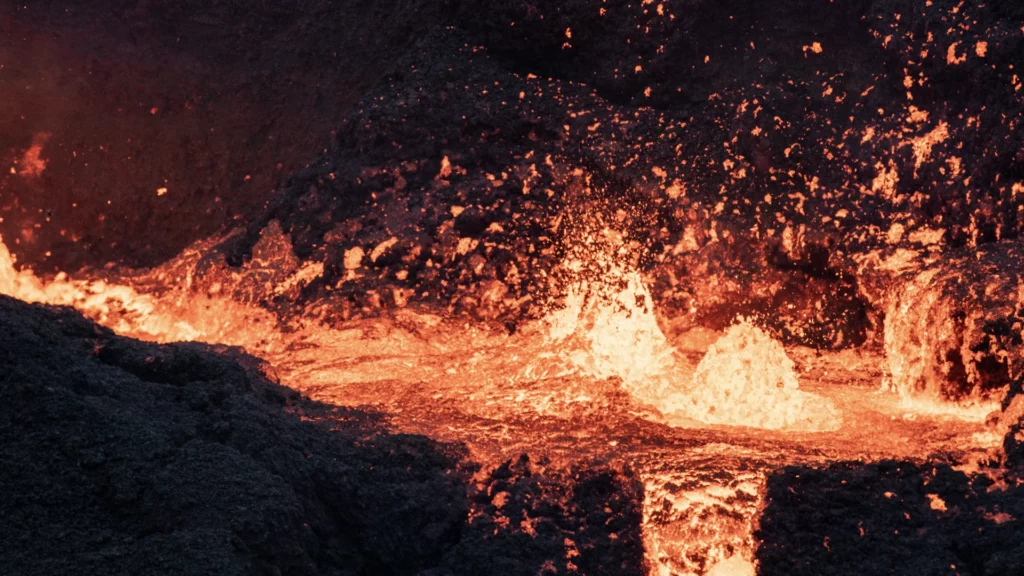
Distribution describes the spatial coverage of a hazard. Some hazards may be highly localised, while others – like a major volcanic eruption and its subsequent ash cloud – may have an impact which is felt across entire continents or even the whole world.
As another example, the distribution of volcanoes and earthquakes is associated with the distribution of tectonic plates, while tropical cyclones usually occur between 5° and 25° north and south of the Equator.
Frequency refers to a hazard’s distribution through time (how frequently a hazard is likely to occur). Magnitude refers to the size of a hazard’s impact. The ‘frequency-magnitude principle’ leads us to expect many small and insignificant events and fewer large-scale ones.
The effects of hazards can be thought of as primary or secondary.
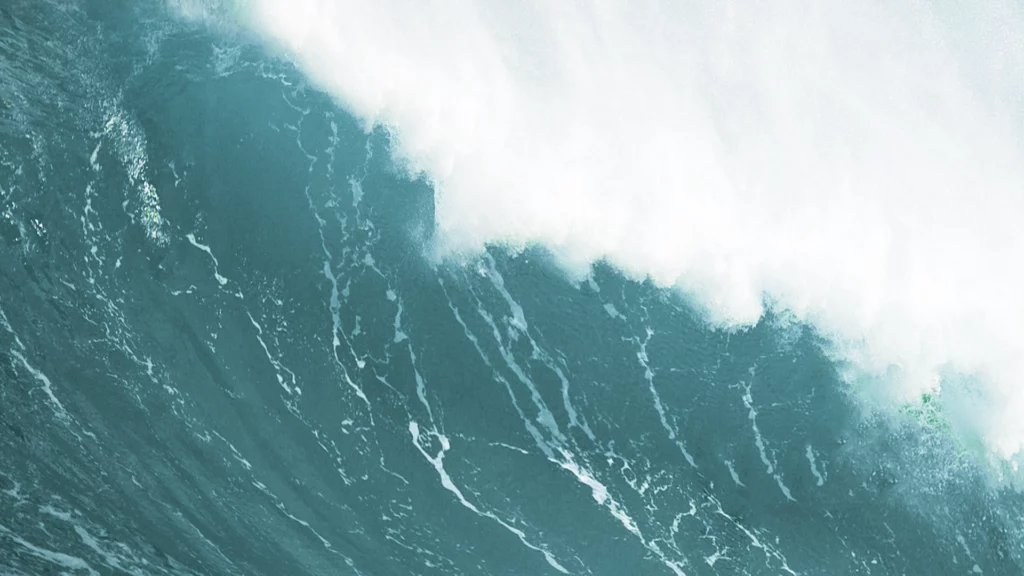
Primary effects result directly from the event – such as lava flowing from a volcano or the ground shaking during an earthquake.
Secondary effects result from the primary impact of the hazard event – such as flooding as ice caps and glaciers melt after a volcanic eruption or tsunamis after an earthquake.
Risk and vulnerability
Risk is the exposure of people to a hazardous event presenting a potential threat to themselves, their possessions, and the built environment in which they live. People accept hazard risk for a variety of reasons:
- Hazards are unpredictable (in terms of frequency, magnitude, and scale).
- Social, political, and economic factors sometimes make it impossible for individuals to leave their homes, land, and jobs. In these cases, people may accept risk because there is no alternative.
- Risk changes over time, and places that were once safe may have become less so (possibly without its inhabitants realising).
- In a cost/benefit analysis, a hazardous area may still be worth living in for other reasons.
- Perception, or the way in which an individual or a group views the threat of a hazard event.
In the context of hazards, vulnerability means the potential for loss. Losses – and therefore vulnerability – vary geographically and with different social groups.
People who are wealthy or who have access to technologies to mitigate hazard risk (like sea walls or well-equipped emergency services) have a lower potential for loss. Therefore, they are less vulnerable than poorer individuals with no technological safeguards. Access to education can also affect vulnerability, with greater knowledge of hazards helping to mitigate their risk.